Reliable propane delivery and service can make a meaningful difference for households and businesses that depend on this versatile fuel. Propane may power heating equipment, water heaters, cooking appliances, fireplaces, backup generators, and commercial operations. When supply, equipment condition, or delivery timing is overlooked, everyday routines and business activities can be disrupted. Working with a dependable provider for propane services helps customers plan ahead, maintain their equipment, and understand the support available throughout the year.
Maintaining Consistent Fuel Availability
A dependable supply is essential when propane serves as a primary energy source. During cold weather, households may rely on propane for space heating and hot water, while businesses may need it to keep kitchens, workspaces, or production equipment operating. A reliable provider helps customers understand delivery options and establish a schedule that reflects their usage patterns and storage capacity. Planning deliveries in advance can reduce the chance of an unexpected interruption when demand is high or weather conditions complicate transportation.
Fuel needs can change with occupancy, seasonal temperatures, equipment use, and business activity. A household that hosts visitors during winter may consume more propane than it does during milder months, while a commercial operation may experience predictable increases during busy periods. Reviewing usage with a service provider can help customers anticipate these shifts and adjust delivery plans accordingly. Discussing propane services before demand increases can also help customers clarify scheduling preferences and delivery access requirements.
Improving Equipment Performance and Reliability
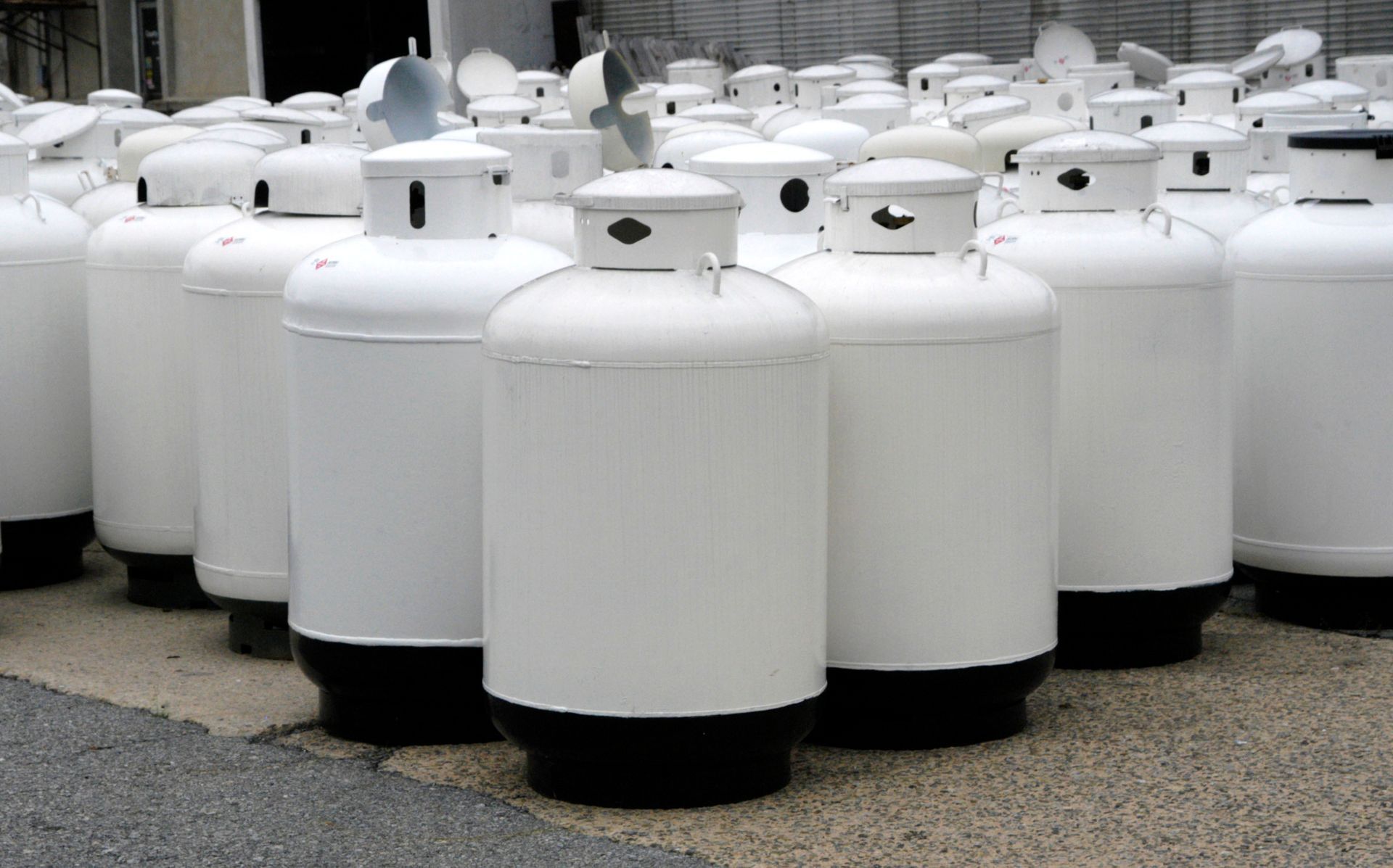
Propane systems depend on suitable equipment and proper upkeep to operate as intended. Tanks, regulators, connections, piping, and fuel-burning appliances each play a role in delivering energy to the equipment that needs it. Professional service can help identify concerns that may affect operation, such as worn components, improper settings, or signs that an appliance needs further evaluation. Addressing problems promptly can reduce disruptions and help customers make informed decisions about maintenance or repairs.
Reliable service also provides a clear point of contact when customers have questions about equipment behavior or maintenance requirements. A qualified technician can assess the system within the scope of their work and explain whether maintenance, repair, or additional specialist attention is appropriate. Regular professional attention is especially useful for systems that support essential heating or business functions. Keeping service records can help customers track past work and communicate relevant details during future appointments.
Supporting Household Comfort Throughout the Year
For many households, propane supports comfort across multiple seasons. Furnaces and boilers may depend on it during cold weather, while water heaters, cooking appliances, and fireplaces can use fuel throughout the year. An interruption can affect several everyday activities at once, making supply planning and service coordination important parts of home management. A dependable provider helps homeowners consider both routine usage and seasonal changes when arranging deliveries and equipment support.
Planning ahead is particularly helpful before periods of heavy demand. Customers can discuss expected usage, tank capacity, and delivery arrangements before winter weather or holidays increase household consumption. If the home will be vacant for an extended period or usage patterns are changing, it may be useful to review the service plan with the provider. Coordinated propane services help align fuel management with the household’s actual needs instead of relying on assumptions about consumption.
Meeting Commercial and Operational Demands
Businesses may use propane for space heating, water heating, cooking, material-handling equipment, and specialized processes. In settings such as restaurants, warehouses, agricultural facilities, and hospitality properties, an unexpected fuel interruption can affect employees, customers, productivity, and schedules. Reliable supply arrangements help business operators plan around their operating hours and expected consumption. Clear coordination is particularly important when deliveries require access to secured areas or must avoid busy periods.
According to the National Propane Gas Association, the propane industry serves approximately 1.1 million commercial accounts across the United States. This figure illustrates how widely businesses rely on propane for their operations. Commercial customers can have very different requirements depending on their equipment, hours, and seasonal workloads, so service plans should reflect the needs of each site. Well-coordinated propane services can help businesses manage delivery arrangements in ways that support operational continuity.
Strengthening Safety Through Professional Service
Propane is a useful fuel, but it must be handled and maintained according to appropriate safety practices. Professional providers can inspect relevant equipment, identify conditions that need attention, and explain the recommended next steps. Customers should understand the warning signs associated with a possible leak, including a strong sulfur-like odor, and follow emergency guidance rather than attempting to investigate a suspected leak themselves. If a leak is suspected, leave the area, avoid operating switches or creating ignition sources, and contact emergency services or the propane supplier from a safe location.
Regular service also gives customers an opportunity to ask questions about their system and clarify what should happen if an appliance is not functioning normally. A provider can explain the limits of a routine visit and recommend additional evaluation when necessary. Service appointments should be handled by appropriately qualified professionals who follow applicable requirements for the equipment and location. This professional approach helps customers address equipment concerns and better understand the safety considerations associated with propane use.
Planning Costs and Managing Energy Use
Fuel expenses can vary with market conditions, seasonal demand, household consumption, and the terms of a customer's service arrangement. While no provider can eliminate all price changes, clear information about delivery options and billing practices can make planning easier. Customers can ask how delivery charges are structured, what payment options are available, and whether scheduled deliveries or account tools can help them track usage. Understanding these details makes it easier to prepare a realistic household or business energy budget.
Customers can also review whether their delivery schedule reflects actual consumption. Looking at historical use and considering changes in equipment or occupancy can reveal when a plan may need adjustment. Businesses can compare seasonal operating patterns with fuel records to improve forecasting, while households can account for weather and changes in daily routines. A provider offering propane services can help customers discuss their usage patterns and determine whether their current delivery arrangements remain suitable.
Simplifying Scheduling and Customer Communication
Reliable service depends on more than a truck arriving at the property. Customers benefit when delivery windows, access requirements, appointment updates, and follow-up questions are handled clearly. A consistent provider can explain how to request a delivery, what information is needed, and how schedule changes are communicated. This clarity is valuable when the tank is located in a restricted area or when someone must be present to provide access.
Communication matters when unexpected conditions affect service. Severe weather, road restrictions, or unusually high demand can alter schedules, and customers need useful updates to make alternate arrangements if necessary. Keeping account details current and discussing access issues in advance can help prevent avoidable delays. Clear communication about
propane services gives customers a reliable channel for questions rather than leaving them uncertain about a delivery or appointment.
Choosing a Provider for Long-Term Support
Selecting a propane provider involves considering service availability, communication, delivery arrangements, and the ability to address equipment-related questions. Customers should look for clear explanations of service procedures and a willingness to discuss their property's specific requirements. It is also useful to ask how the company handles scheduling changes, routine maintenance requests, and urgent concerns. These conversations can reveal whether the provider's approach matches the household's or business's expectations.
When your home or business depends on propane, dependable delivery and professional support can help keep daily operations on track. At PDS-Propane Delivery Service, we work with customers to address their fuel delivery needs and coordinate service with their requirements. We understand that reliable planning, clear communication, and attention to equipment concerns all matter when propane plays an important role in your property. Contact PDS-Propane Delivery Service to discuss your needs and arrange service for your home or business.